









The Ultimate Guide to Swimbait Fishing for Pike in the UK
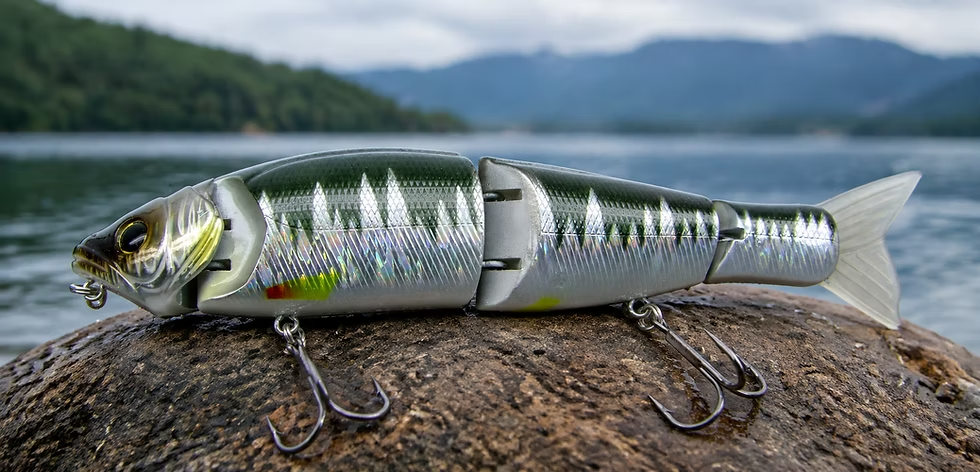
One of the things I find most fascinating about Japanese lure fishing is the amount of thought, innovation and engineering that goes into the development of swimbaits.
For many UK pike anglers, fishing with swimbaits means casting a large lure and slowly retrieving it. However, once you start exploring brands such as DRT, Deps, Madotachi, Jackall, Evergreen, Gamakatsu and Fish Arrow, you quickly realise there is much more to this style of fishing.
Interchangeable tails, adjustable buoyancy, movable fins, removable diving lips and different joint systems open up an entirely different approach to targeting predators.
One of my aims with LURESET is to introduce UK anglers to more of these specialised lures and, more importantly, help them understand how to get the most out of them.
Although many Japanese swimbaits were originally developed for largemouth bass fishing, their design characteristics make them particularly interesting for targeting pike in our canals, rivers, lakes and reservoirs.
In this guide, I want to explain the different types of swimbaits, how they work, when to use them, what tackle you need and how to choose the right lure for your fishing.
Swimbait Fishing for Pike: Quick Guide
Swimbaits are fishing lures designed to imitate the swimming movement of prey fish. They are particularly effective for pike because they can offer a realistic profile, controlled swimming action and the ability to remain within a predator's strike zone.
- Glide baits are ideal for wide, side-to-side presentations.
- Multi-jointed swimbaits imitate the continuous swimming movement of baitfish.
- Floating swimbaits are useful over shallow weed beds and submerged structure.
- Slow-sinking swimbaits allow you to explore different depths.
- Soft swimbaits provide excellent depth control and natural movement.
- Adjustable Japanese swimbaits allow anglers to modify their presentation without changing the entire lure.
- A balanced rod, reel, strong braid and bite-resistant trace are essential for safe pike fishing.
Explore our range of pike fishing lures and Japanese fishing tackle at LURESET.
What Is a Swimbait?
A swimbait is a fishing lure designed to imitate the appearance and swimming movement of a baitfish. Unlike traditional lures that rely primarily on vibration or aggressive movements, many swimbaits are designed to create a convincing swimming presentation.
Swimbaits can be manufactured from hard plastic, resin, wood, soft plastic or combinations of different materials.
Some feature a single joint, while others use multiple body sections to create a more fluid swimming action. Others have interchangeable components that allow anglers to customise how the lure behaves in the water.
Originally popularised in countries such as Japan and the United States for targeting largemouth bass, swimbaits have become increasingly popular among European predator anglers targeting pike.
What makes swimbait fishing particularly interesting is that you are not simply choosing a lure based on its colour or size. You are choosing a particular swimming behaviour.
Why Are Swimbaits So Effective for Pike?
Pike are ambush predators capable of feeding on a wide variety of prey, including roach, perch, bream, trout and other fish.
A swimbait allows us to imitate not only the appearance of these prey species but also their movement and behaviour.
A substantial food source
A larger swimbait represents a potentially rewarding meal. This does not mean every large pike prefers large prey, but a substantial lure can be particularly attractive when predators are feeding on larger baitfish.
Realistic swimming movement
Jointed bodies, flexible tails and carefully balanced internal weighting can create movements that resemble healthy, injured or disorientated fish.
More time in the strike zone
Many swimbaits can be retrieved very slowly or paused next to cover. This gives a following pike more time to inspect and potentially attack the lure.
Reaction strikes
A sudden directional change, short burst of speed or unexpected pause can trigger a response from a predator that was previously following without committing.
A different presentation
On heavily pressured waters, offering a different swimming action or retrieve pattern may help distinguish your lure from more familiar presentations.
Different Types of Swimbaits Explained
Not all swimbaits behave in the same way. Understanding the main categories is one of the most important steps towards becoming more effective with them.
1. Glide Baits
Glide baits generally feature a single joint and are designed to produce a side-to-side swimming action. Depending on the design, retrieve speed and angler input, they can make wide turns or shorter directional changes.
Glide baits are particularly useful when targeting pike along weed edges, submerged structures, drop-offs and open-water feeding areas.
Rather than constantly moving the rod, many glide baits can be controlled using short turns of the reel handle.
A typical retrieve might consist of several slow reel turns followed by a pause or a short burst of acceleration.
Examples include models from the Deps Slide Swimmer and Swimbait Republic Glideway families.
2. Multi-Jointed Swimbaits
Multi-jointed swimbaits use several connected body sections to create a more continuous swimming action.
They are particularly useful when you want to imitate a baitfish swimming naturally through the water rather than producing exaggerated sideways movements.
Many multi-jointed swimbaits work well with a straightforward retrieve, making them an excellent starting point for anglers new to this style of fishing.
3. Lipped Swimbaits
A diving lip allows a swimbait to generate resistance, produce movement and reach a particular running depth during the retrieve.
Lipped swimbaits can be effective when fishing along deeper weed beds, drop-offs and submerged structures.
A floating lipped swimbait can also be allowed to rise during a pause, helping the angler navigate certain obstacles.
4. Soft Swimbaits
Soft swimbaits use flexible materials to create a natural swimming action. Traditional examples include large paddle-tail shads, although modern Japanese designs can be considerably more sophisticated.
Soft swimbaits are useful when you need to control fishing depth through weighting, retrieve speed and sink time.
They can be especially effective when targeting deeper-water pike or presenting lures slowly near structure.
5. Adjustable and Hybrid Swimbaits
This is where some Japanese manufacturers have taken swimbait fishing in a particularly interesting direction.
Instead of designing a lure with one fixed swimming action, brands such as DRT and Madotachi have developed systems that allow anglers to modify how their lures behave.
Depending on the model, the angler may be able to adjust the tail, diving lip, fins, joint movement or buoyancy.
These designs allow us to experiment with different presentations using the same lure body.
What Makes Japanese Swimbaits Different?
JDM stands for Japanese Domestic Market. In fishing, the term is commonly used to describe tackle developed primarily for the Japanese market.
Japan has a highly developed lure fishing industry, and many Japanese manufacturers place considerable emphasis on detailed engineering, specialised actions and presentation control.
What interests me most about Japanese swimbaits is not simply their appearance or premium finish. It is the ability that certain designs give us to influence how the lure behaves.
Modern Japanese swimbaits may offer:
- Interchangeable soft tails.
- Removable or interchangeable diving lips.
- Adjustable fin angles.
- Different joint movement settings.
- Specialised internal weighting systems.
- Soft external body materials.
- Fine control over buoyancy and running depth.
However, a more expensive or technically advanced lure is not automatically better for every situation. The real advantage comes from understanding when and how to use its features.
At LURESET, I want to make more of these specialist designs accessible to UK anglers who are interested in exploring something different.
Visit our JDM fishing tackle range to explore Japanese lure brands and specialist predator fishing equipment.
Floating, Suspending and Sinking Swimbaits
Understanding buoyancy is essential when selecting a swimbait for pike fishing.
Floating Swimbaits
Floating swimbaits return towards the surface when the retrieve stops. They are particularly useful over shallow weed beds, around margins and above submerged cover.
Some floating models remain close to the surface, while lipped models can dive considerably deeper during the retrieve.
Suspending Swimbaits
Suspending swimbaits are designed to remain approximately at their current depth when paused.
This can be particularly useful when a pike follows the lure without attacking.
True suspension is difficult to achieve because water temperature, hook weight, split rings and the fishing trace can influence buoyancy.
Slow-Sinking Swimbaits
Slow-sinking models allow the angler to explore different depths while maintaining a relatively controlled presentation.
By counting the lure down before starting the retrieve, you can experiment with different levels of the water column.
Fast-Sinking Swimbaits
Faster-sinking models are useful when fishing deeper water or when you need to maintain depth despite current or wind.
They require careful control around weed and submerged obstacles to avoid unnecessary snagging.
| Buoyancy | Best applications |
|---|---|
| Floating | Shallow water, weed beds and margins |
| Suspending | Long pauses and following fish |
| Slow sinking | Variable depths and slow presentations |
| Fast sinking | Deep water and stronger current |
What Size Swimbait Is Best for Pike?
There is no single best swimbait size for UK pike fishing. The ideal size depends on the available prey, water conditions, fishing pressure, tackle and the presentation you want to achieve.
As a general starting point, swimbaits between 120mm and 180mm are particularly versatile for many UK waters.
| Swimbait size | Suggested application |
|---|---|
| 80-120mm | Small waterways and compact baitfish presentations |
| 120-160mm | Canals, rivers and general pike fishing |
| 160-200mm | Lakes, reservoirs and dedicated swimbait fishing |
| 200-250mm+ | Specialist big-bait fishing and larger prey imitation |
Large swimbaits are not exclusively for large pike. Smaller pike can readily attack surprisingly large lures, while trophy-sized fish can be caught on relatively small presentations.
For someone starting out, I would generally recommend choosing a versatile mid-sized swimbait before investing in very large specialist lures.
Choosing the Best Swimbait Colour for Pike
Colour selection is something anglers can easily overcomplicate. Before choosing a colour, consider the available light, water clarity and natural prey in the venue.
Clear water
Natural roach, perch, trout and subtle baitfish patterns are logical starting points when visibility is high.
Coloured water
White, chartreuse, orange and contrasting patterns may help make a lure easier to detect.
Low-light conditions
Dark colours can create a strong silhouette when viewed against a brighter background. Lure movement and profile may become particularly important when visibility is limited.
Matching the hatch
Matching the hatch means selecting a lure that resembles the prey fish available in the water you are fishing.
If the pike are feeding heavily on roach, for example, a slim silver baitfish pattern is a logical choice. If larger perch or bream dominate the venue, a deeper-bodied presentation may be worth trying.
Remember that running depth, speed and swimming action are often more important than finding the perfect colour.
Premium Swimbait Brands at LURESET
There are many excellent swimbaits available today, but I particularly enjoy exploring manufacturers that approach lure design differently.
The following selection demonstrates some of the different technologies and presentations available through the LURESET range.
Madotachi - Adjustable Japanese Swimbaits
Madotachi is one of the Japanese brands that particularly interests me because of its approach to adjustable lure design.
Its lures allow anglers to change certain swimming characteristics through mechanical adjustments rather than relying entirely on retrieve speed and rod movement.
Madotachi Gimikin 160mm
The Madotachi Gimikin is a 160mm floating swimbait weighing approximately 42g. It combines three adjustable systems that allow anglers to experiment with different actions and running depths.
- Qwing: Changing the angle of the side fins influences diving depth and swimming direction.
- Qlip: Rotating or removing the diving lip changes the way the lure moves through the water.
- Qlock: Adjusting the joint changes how freely the body sections move.
These systems allow the Gimikin to be adapted for different presentations without requiring a completely different lure.
The manufacturer indicates running depths from the surface to approximately two metres in different configurations, although the actual depth will depend on the settings, retrieve and tackle.
For UK pike fishing, I would consider the Gimikin when exploring shallow lakes, canal margins, weed edges and areas where changing lure behaviour could help trigger a following fish.
Madotachi Hanitas LR Plus 160mm
The Hanitas LR Plus is a larger floating swimbait with adjustable fins and a substantial baitfish profile.
Its adjustable fin system makes it particularly interesting for anglers who want to alter depth and directional movement while fishing around structure.
It is another example of how Madotachi approaches lure design through adaptability rather than creating a single fixed swimming action.
Madotachi Hanitas Minnow 120mm
Although technically a minnow rather than a conventional large swimbait, the Hanitas Minnow deserves attention because it brings adjustable fin technology into a more compact lure.
It offers an alternative for anglers fishing smaller waterways or situations where a large swimbait may not be appropriate.
Madotachi Soft Hanitas 4"
The Soft Hanitas introduces these adjustable design principles into a flexible elastomer body.
Its Qwing fin system and interchangeable internal components allow anglers to customise aspects of the presentation.
At four inches long, it provides a compact alternative to larger hard swimbaits and can also appeal to other UK predators.
Always check that the hook arrangement is suitable for pike fishing and store elastomer lures separately from incompatible soft plastics.
Explore the Madotachi range at LURESET.
DRT - Division Rebel Tackles
DRT is a Japanese lure brand associated with highly customisable big-bait fishing.
Rather than limiting the angler to one action, some DRT models offer interchangeable components that allow the presentation to be changed significantly.
DRT Tiny Klash Low
The Tiny Klash Low is a 170mm swimbait weighing approximately 56g.
Its interchangeable lip and tail configurations are central to its versatility.
Depending on how the lure is configured, the angler can explore controlled swimming retrieves, directional changes and different levels of the water column.
The Tiny Klash is particularly interesting for fishing around weed beds, canal margins and submerged structures.
My advice to anyone purchasing one of these lures is to spend time learning each configuration individually rather than changing several components at once.
Understanding what each adjustment does is much more valuable than simply owning every available accessory.
Explore the DRT Tiny Klash Low.
Deps - Realistic Japanese Glide Baits and Swimbaits
Deps is a Japanese manufacturer with a strong association with specialist big-bait fishing.
Deps Slide Swimmer 175
The Slide Swimmer family is known for its realistic baitfish profile, jointed construction and soft outer body.
The combination of a substantial silhouette and gliding movement makes it particularly interesting for pike fishing.
I would consider this style of lure when fishing clear lakes, reservoirs and weed edges where a slower, more controlled presentation is required.
Different Slide Swimmer versions have different buoyancy characteristics, so always check the exact model before selecting your fishing approach.
Explore the Deps Slide Swimmer.
Deps Highsider 220
The Highsider 220 represents a different approach to big-bait fishing.
Its substantial multi-jointed floating design offers a more pronounced swimming presentation than a conventional single-jointed glide bait.
At approximately 220mm and 135g, it requires dedicated heavy-lure tackle.
It is an option for anglers looking to imitate larger prey fish and experiment with more energetic presentations.
Jackall - Precise and Controlled Swimbait Presentations
Jackall produces a wide variety of specialist Japanese fishing lures, including swimbaits designed to offer different swimming behaviours.
Jackall Maekon 180 SF
The Maekon 180 SF is a 180mm, approximately 48g slow-floating swimbait.
Its buoyancy makes it interesting for controlled presentations close to submerged cover, where the lure can be paused and allowed to rise.
This type of presentation may be useful when fishing along weed edges, fallen trees or shallow structures.
Explore the Jackall Maekon 180 SF.
Evergreen - Compact Japanese Swimbaits
Evergreen Royal Flash Jr.
The Royal Flash Jr. is a compact floating multi-jointed swimbait measuring approximately 130mm and weighing around 33g.
Its manageable size makes it an interesting option for anglers who want to explore jointed swimbait fishing without immediately moving into very heavy big-bait tackle.
It is particularly worth considering for canals, smaller lakes and waterways where a compact baitfish presentation is appropriate.
Gamakatsu - Rafin Swimbaits
Gamakatsu Rafin 170
The Rafin 170 offers a substantial jointed baitfish profile with slow-floating characteristics.
This style of swimbait is useful when you want to combine a natural swimming presentation with the ability to pause around shallow cover.
It provides another option for anglers looking to explore hard swimbait fishing for European pike.
Fish Arrow x DRT - Collaborative Big-Bait Design
Fish Arrow x DRT VT Jack 230 Low
The VT Jack 230 Low represents a larger lipped swimbait design developed through a collaboration between Fish Arrow and DRT.
Its diving lip and substantial body offer an alternative to traditional lipless glide baits.
It is worth considering when you want to explore subsurface presentations rather than relying exclusively on shallow gliding actions.
As with all large swimbaits, the rod and reel must be suitable for the actual lure weight.
Swimbait Republic - Adjustable Buoyancy Glide Baits
Although Swimbait Republic is not a Japanese brand, its Glideway family fits particularly well alongside premium Japanese swimbaits because of its emphasis on presentation versatility.
The Glideway range includes different lure sizes, allowing anglers to select a suitable profile for their fishing.
Glideway 126
A compact option for smaller waterways and anglers looking for a less demanding introduction to glide bait fishing.
Glideway 176
A versatile mid-sized glide bait that can be used across a wide range of UK pike fishing situations.
Glideway 236
A specialist larger presentation aimed at anglers who want to imitate substantial prey fish using dedicated big-bait tackle.
Compatible adhesive weights allow anglers to modify the buoyancy of these lures. The final behaviour should always be checked in the water with the trace and hardware attached.
Explore the Swimbait Republic range.
Which Swimbait Should You Choose?
The following table provides a starting point for selecting a swimbait based on its design characteristics and intended presentation.
| Swimbait | Main feature | Suggested fishing situation |
|---|---|---|
| Madotachi Gimikin 160 | Adjustable fins, lip and joint | Variable shallow-water presentations |
| Madotachi Hanitas LR Plus | Adjustable fin system | Fishing around structure |
| Madotachi Soft Hanitas | Customisable soft body design | Compact, adaptable presentations |
| DRT Tiny Klash Low | Interchangeable lip and tail | Experimenting with different actions |
| Deps Slide Swimmer 175 | Soft-shell gliding design | Natural baitfish presentations |
| Deps Highsider 220 | Large multi-jointed body | Specialist large-lure fishing |
| Jackall Maekon 180 SF | Slow-floating presentation | Controlled fishing close to cover |
| Evergreen Royal Flash Jr. | Compact multi-jointed body | Canals and smaller lakes |
| Gamakatsu Rafin 170 | Slow-floating jointed design | Natural shallow-water presentations |
| Fish Arrow x DRT VT Jack | Large lipped swimbait | Subsurface big-bait fishing |
| Swimbait Republic Glideway | Adjustable buoyancy | Variable depths and glide presentations |
These recommendations are based on lure design and suggested applications rather than a controlled comparison of catch rates.
How to Retrieve Swimbaits for Pike
Learning how to manipulate the swimming action is just as important as choosing the right swimbait.
1. Slow and Steady Retrieve
Start with a slow, continuous retrieve that allows the lure to swim naturally.
This is particularly effective with multi-jointed swimbaits and soft paddle-tail designs.
Try retrieving just fast enough to maintain the intended swimming action.
2. Short Reel Turns
Instead of constantly moving the rod, use short turns of the reel handle to create changes in speed.
With many glide baits, this causes the lure to turn from side to side.
Experiment with quarter turns, half turns and full turns of the reel to understand how the lure responds.
3. Stop-and-Go Retrieve
Retrieve the lure for several turns before pausing briefly.
The pause allows a floating lure to rise, a sinking lure to descend or a suitably balanced lure to remain close to its current depth.
Watch what happens when the lure starts moving again, as this transition can trigger an attack.
4. The Directional Change
Some swimbaits can be manipulated to make pronounced sideways turns through short bursts of acceleration.
This technique can be particularly interesting when a pike follows closely behind the lure.
The aim is to change the presentation suddenly enough to provoke a response without losing control of the lure.
5. Burn and Pause
Retrieve the lure quickly for a short distance before suddenly stopping.
This can imitate a prey fish attempting to escape before slowing down.
Not every swimbait is designed for high-speed retrieves, so check the lure's stability before using this technique.
6. Countdown Retrieve
When using a sinking swimbait, allow the lure to sink for a controlled period before beginning the retrieve.
Repeat the process with different countdowns to explore different depths.
Establish the approximate sink rate in a safe, visible area first, because lure weight, buoyancy and trace configuration can all influence it.
7. Slow Fishing Around Structure
Instead of retrieving the lure continuously past a promising feature, slow down or pause as it approaches the edge of the structure.
This allows the lure to spend more time where a pike may be waiting to ambush prey.
Why Do Pike Follow Swimbaits Without Attacking?
One of the most frustrating, but also most exciting, aspects of swimbait fishing is watching a pike follow a lure without committing.
A following fish is not necessarily feeding aggressively. It may be investigating the lure, tracking its movement or waiting for an opportunity to attack.
If a pike follows without striking, try:
- Changing the retrieve speed.
- Introducing a short pause.
- Creating a sudden directional change.
- Accelerating briefly to imitate escaping prey.
- Changing the angle of your next cast.
- Fishing at a slightly different depth.
- Returning later with a different lure profile or action.
This is where adjustable swimbaits such as the Madotachi Gimikin and DRT Tiny Klash become particularly interesting.
Instead of replacing the entire lure, you can experiment with a different configuration and observe how the fish respond.
Not every following fish can be persuaded to strike, but a follow still provides valuable information about fish location and behaviour.
Where to Fish Swimbaits for Pike in the UK
Canals
Canals offer plenty of opportunities for controlled swimbait fishing, especially around locks, moored boats, bridge supports, marginal vegetation and changes in depth.
Compact swimbaits between approximately 100mm and 160mm are a useful starting point, although larger lures can also work.
Do not overlook the margins. Pike may position themselves surprisingly close to the bank.
Rivers
On rivers, current seams, backwaters, slacks and areas behind submerged structures are worth investigating.
Current influences lure action considerably, so choose a swimbait that remains stable at the speed and angle required.
Fishing across or along the current can produce different swimming behaviours from the same lure.
Always check the local fishing rules and applicable coarse fishing close season.
Lakes and Gravel Pits
Weed beds, points, islands, submerged trees and depth changes are obvious starting points.
Floating and slow-sinking swimbaits can be particularly useful when fishing above submerged vegetation.
On clear gravel pits, search for areas where baitfish gather or where predators can move between shallow and deep water.
Reservoirs
Larger reservoirs can offer excellent opportunities for substantial glide baits and soft swimbaits.
However, covering large amounts of open water without understanding where the prey fish are located can be inefficient.
Focus on features, wind-influenced areas, depth changes and visible signs of baitfish activity.
Fishing from a Boat
Boat fishing allows the angler to approach weed edges, offshore structures and depth changes from different angles.
It also makes it possible to follow the contour of a feature rather than repeatedly retrieving across it.
Regardless of whether you are fishing from a boat or the bank, try to keep the lure at a productive depth for as much of the retrieve as possible.
Swimbait Fishing for Pike Throughout the Year
Spring Swimbait Fishing
As water temperatures increase, pike behaviour changes around spawning and recovering from spawning.
Shallow margins, emerging vegetation and areas holding prey fish may become productive.
A floating or shallow-running swimbait can be useful in these environments, provided fishing is permitted and the fish are not actively spawning.
Summer Swimbait Fishing
During summer, weed growth can create extensive ambush cover.
Floating swimbaits and shallow-running jointed lures allow anglers to explore the water above vegetation.
Early morning and evening sessions may offer more comfortable conditions for both anglers and fish.
Avoid deliberately targeting pike during periods of excessively warm water or low oxygen, when capture and handling can put the fish under considerable stress.
Autumn Swimbait Fishing
Autumn is an excellent time to experiment with larger baitfish presentations as prey distribution and predator feeding opportunities change.
Glide baits, multi-jointed swimbaits and larger soft plastics all have a place.
As vegetation dies back, areas that were difficult to fish during summer may become more accessible.
Winter Swimbait Fishing
Swimbaits can be very effective for pike during winter.
Slow-sinking or carefully balanced suspending presentations can allow anglers to keep the lure close to a predator for longer periods.
Longer pauses and slower retrieves are useful starting points, although short bursts of movement can still trigger reaction strikes.
Do not automatically assume that every winter pike will be found in deep water. Follow the available prey and adapt to the conditions.
What Tackle Do You Need for Swimbait Fishing?
Dedicated swimbait tackle is not simply about casting bigger lures. It is about safely handling their weight, controlling the retrieve and landing fish efficiently.
Choosing a Swimbait Rod
The rod must be rated for the complete lure weight, including any additional weights or modifications.
As a general starting point:
| Typical lure weight | Example rod casting range |
|---|---|
| 10-25g | 10-40g |
| 25-50g | 20-60g |
| 50-90g | 40-120g |
| 90-150g | 80-180g |
| 150g+ | Dedicated extra-heavy swimbait rod rated for the lure |
These are illustrative casting ranges, not universal specifications. Always follow the rod manufacturer's recommendations.
A progressive or moderate-fast action can be useful when fishing certain treble-hooked swimbaits, while faster rods may offer greater control for more active retrieves.
Spinning Reel or Baitcasting Reel?
Both spinning and baitcasting reels can be used for swimbait fishing.
For smaller and medium-sized swimbaits, a suitable spinning outfit can be perfectly effective.
As lure size and weight increase, many anglers prefer baitcasting equipment because it offers convenient lure control, line management and ergonomics for repeated heavy-lure casting.
For medium and large swimbaits, robust 150-300 size baitcasting reels are common starting points, while exceptionally heavy lures may require larger dedicated reels.
Reel sizes vary between manufacturers, so check line capacity, construction and intended lure applications.
What Braid Should You Use?
Braid selection should be based on lure weight, casting forces, fishing environment and the strength required to land fish safely.
For general swimbait fishing, braid around 30-50lb breaking strain is a useful starting point. Heavy big-bait outfits may require 50-80lb braid or more, depending on the equipment and lure.
Using excessively light braid with heavy swimbaits increases the risk of casting breakages and losing a lure with hooks attached.
Always Use a Bite-Resistant Pike Trace
When deliberately targeting pike, a suitable bite-resistant trace is essential.
Steel wire or titanium traces are reliable options when correctly constructed and matched to the tackle.
A pike trace should be long enough to reduce the risk of the fish reaching the braided main line during an attack, fight or rolling movement.
A trace of approximately 30-45cm is a useful starting point, with longer traces appropriate for certain large-lure applications.
Use strong, reliable clips and connections, inspect them regularly and replace any damaged components.
Do not sacrifice bite protection simply to improve the action of an expensive swimbait.
Swimbait Tuning and Customisation
One of the most enjoyable aspects of specialist swimbait fishing is learning how small adjustments influence lure behaviour.
Changing the Tail
On compatible models, different tail shapes can change water resistance, stability and swimming movement.
Changing or Removing the Diving Lip
On lures specifically designed for interchangeable lips, changing the lip configuration can alter running depth and swimming action.
Adjusting the Fins
Madotachi's adjustable fin technology allows anglers to influence depth and directional movement.
Some configurations may create more exaggerated sideways behaviour, while others offer a more conventional swimming presentation.
Adjusting Joint Movement
The Gimikin's Qlock system is an example of a design that allows anglers to alter the movement range of the joint.
Experimenting with these settings can help you understand how body movement affects the lure's presentation.
Adding Adhesive Weights
Compatible adhesive weights can be used to modify buoyancy, sink rate and lure balance.
Add small amounts at a time and test the lure in the water after each adjustment.
Changing Hooks and Split Rings
Replacing hooks or split rings can influence the overall weight and balance of a swimbait.
Heavier hardware may change a floating lure into a slower-floating or sinking lure.
When changing components, make sure they remain strong enough for pike fishing.
Test Your Swimbait Before Fishing
Before casting into deep or snaggy water, lower the lure into a safe, visible area and observe how it behaves with your actual trace attached.
Check its buoyancy, balance, swimming action and stability.
This simple process can save considerable time and help you get much more from adjustable swimbaits.
10 Common Swimbait Fishing Mistakes
- Choosing a lure that is too heavy for the rod. Always check the complete casting weight.
- Ignoring lure buoyancy. Know whether the lure floats, suspends or sinks before fishing around snags.
- Retrieving every swimbait in the same way. Different designs require different presentations.
- Constantly changing lures. Spend enough time learning how each lure responds.
- Focusing too much on colour. Depth, speed and action are often more important.
- Ignoring the available prey fish. Select a suitable profile for the venue.
- Fishing too quickly past productive structure. Give predators time to approach the lure.
- Using unsuitable traces or clips. Pike safety and tackle reliability should always come first.
- Assuming bigger lures always catch bigger fish. Lure size is only one part of the presentation.
- Failing to test modifications. Hooks, weights, fins and lips can all influence lure behaviour.
Responsible Pike Fishing with Swimbaits
Swimbaits often feature large hooks and substantial bodies, making proper fish-handling equipment especially important.
Before fishing, make sure you have:
- A suitably large, fish-friendly landing net.
- A protective unhooking mat or cradle.
- Long-nosed forceps or unhooking pliers.
- Strong hook cutters.
- Suitable bite-resistant traces.
Keep the fish in the water whenever practical while preparing your unhooking equipment.
Support the fish properly, minimise air exposure and never lift a pike by the lure or trace.
If a hook cannot be removed safely using normal methods, cutting the hook may be necessary.
Avoid targeting pike during excessively warm conditions, and make sure every fish has recovered sufficiently before allowing it to swim away.
For additional fish welfare guidance, visit the Pike Anglers' Club of Great Britain.
Always check the relevant fishing licence requirements, local fishing restrictions and permission to fish your chosen venue.
Final Thoughts: Learning to Fish Swimbaits
What I find particularly exciting about modern swimbait fishing is the opportunity to experiment.
There is something genuinely interesting about taking a lure such as the Madotachi Gimikin or DRT Tiny Klash and discovering how different configurations influence its behaviour.
Equally, there are situations where a straightforward glide bait or multi-jointed swimbait retrieved steadily may be all you need.
You do not need to own every premium swimbait on the market. I would rather see an angler purchase a few carefully selected lures and learn how to fish them properly than build a collection without understanding what each lure offers.
Start with a suitable size for your venue, understand the lure's buoyancy, experiment with retrieve speed and pay attention to where the fish are positioned.
As your confidence grows, adjustable fins, interchangeable tails, different lips and buoyancy modifications can introduce another level of control to your fishing.
At LURESET, I am continuing to develop our range of specialist predator fishing tackle, with particular attention to innovative Japanese lure brands and products that offer something different to UK anglers.
Whether you are just getting started with swimbait fishing or looking to explore more advanced big-bait techniques, you can discover our latest products below.
Explore Swimbaits and Japanese Fishing Tackle at LURESET
Discover premium predator fishing lures, innovative Japanese designs and specialist tackle for UK pike fishing.
Technical References and Further Reading
Manufacturer specifications and technical documentation are useful when learning how specialist swimbaits are designed to operate.
- Madotachi - Official product and adjustment system documentation
- Pike Anglers' Club of Great Britain
The suggested fishing applications in this guide represent practical interpretations of lure design for UK predator fishing. Always refer to the manufacturer's instructions for individual lure configurations and specifications.
Frequently Asked Questions About Swimbait Fishing for Pike
What is a swimbait in fishing?
A swimbait is a fishing lure designed to imitate the appearance and swimming movement of a prey fish. Swimbaits can feature hard, soft or jointed bodies and are commonly used to target predators such as pike and largemouth bass.
Are swimbaits good for pike?
Yes. Swimbaits are effective for pike because they imitate natural prey fish and can be presented slowly around weed beds, structure, margins and other predator feeding areas.
What is the difference between a glide bait and a swimbait?
A glide bait is a type of swimbait, usually featuring a single joint and a pronounced side-to-side swimming action. Swimbaits are a broader category that also includes multi-jointed, lipped and soft-bodied lures.
What size swimbait is best for UK pike?
Swimbaits between 120mm and 180mm are a versatile starting point for UK pike fishing. Smaller or larger lures may be appropriate depending on the available prey, fishing conditions and tackle.
Can you fish swimbaits in UK canals?
Yes. Compact and medium-sized swimbaits are particularly useful in canals, where pike may ambush prey around bridges, moored boats, marginal vegetation and changes in depth.
How do you retrieve a glide bait for pike?
Start with slow reel turns to create a natural side-to-side movement. Experiment with pauses, short bursts of acceleration and directional changes to adapt the presentation to the behaviour of the fish.
Why do pike follow swimbaits without attacking?
Pike may follow a swimbait while investigating it or waiting for an opportunity to attack. A change in speed, direction, depth or swimming action can sometimes encourage a following fish to strike.
Are Japanese swimbaits worth the money?
Japanese swimbaits can be worth the investment for anglers who value specialised swimming actions, adjustable components and presentation control. However, understanding how to fish a lure is more important than its price.
What rod do you need for swimbait fishing?
Choose a rod with a casting weight range suitable for the complete lure weight. Small swimbaits can be fished with conventional predator rods, while heavier lures require dedicated swimbait equipment.
Can you fish swimbaits with a spinning reel?
Yes. A suitably rated spinning outfit can be used for small and medium-sized swimbaits. Baitcasting equipment is often preferred for heavier lures because of its ergonomics and line control.
What braid and trace should you use for swimbait fishing?
Braid around 30-50lb is a useful starting point for general swimbait fishing, while heavier lures may require 50-80lb or stronger braid. Always use a suitable bite-resistant steel or titanium trace when targeting pike.
Are floating or sinking swimbaits better for pike?
Floating swimbaits are useful over shallow vegetation and submerged cover, while sinking swimbaits allow anglers to explore deeper water. The best choice depends on fishing depth and where the pike are positioned.
Do swimbaits work for pike in winter?
Yes. Swimbaits can be effective for winter pike fishing, particularly when presented slowly at a suitable depth. Pauses and controlled changes in speed can help maintain the lure within the strike zone.
What is the best swimbait for beginners?
A mid-sized jointed swimbait with a reliable action on a steady retrieve is a good starting point. Choose a lure that matches your existing tackle and the depth of the water you intend to fish.
What makes the DRT Tiny Klash different?
The DRT Tiny Klash features interchangeable lip and tail configurations that allow anglers to modify its swimming behaviour and presentation for different fishing situations.
What makes Madotachi swimbaits different?
Madotachi develops adjustable Japanese fishing lures. Its Qwing system allows anglers to change fin angles, while the Gimikin also features Qlip and Qlock systems for adjusting the diving lip and joint movement.
Is the Madotachi Gimikin suitable for pike fishing?
Yes. The Madotachi Gimikin is a 160mm floating swimbait weighing approximately 42g. Its adjustable fins, lip and joint make it an interesting option for exploring different pike fishing presentations, particularly in shallow water.
Can you change the buoyancy of a swimbait?
Yes. Compatible adhesive weights, hooks and split rings can influence a swimbait's buoyancy. Make small adjustments and test the lure with the actual fishing trace attached before fishing.
Where can you buy Japanese swimbaits in the UK?
LURESET is a UK-based specialist predator fishing tackle retailer offering Japanese swimbaits and innovative fishing lures from brands including DRT, Deps, Madotachi, Jackall and Evergreen. Product availability varies.
